
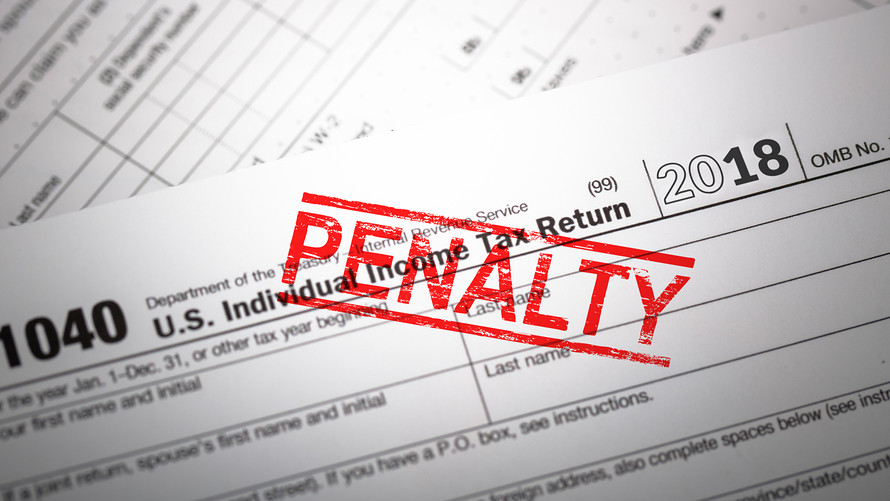
Dealing with IRS penalties can be a daunting and stressful experience for many taxpayers. Understanding the different types of penalties, such as failure to file or failure to pay, is crucial in finding the best resolution. It is important to take these penalties seriously and address them promptly to avoid further repercussions. Navigating the IRS penalty abatement process can be complex, but with the right guidance, it is possible to successfully resolve tax issues. In this blog post, we will delve into the details of IRS penalties and explore how reasonable cause can help in getting these penalties forgiven.
Navigating IRS Penalties
IRS penalties can be overwhelming and confusing for many taxpayers. Understanding the different types of IRS penalties is crucial to finding the best resolution. The most common IRS penalties are for failure to file or failure to pay taxes. It is important to take IRS penalties seriously and address them promptly. Navigating through the IRS penalty abatement process can be challenging without proper guidance.
Understanding The Failure to File and Failure to Pay Penalties
Failure to File Penalty
The failure-to-file penalty is a financial consequence imposed by the IRS on individuals or businesses who do not submit their tax returns by the deadline. This penalty can be quite substantial and can accumulate over time if the return is not filed promptly. It is important for taxpayers to understand the severity of this penalty and the potential implications of not meeting their tax obligations on time.
Failing to file taxes on time can lead to various negative consequences, such as additional interest charges, late fees, and even legal action by the IRS. Therefore, it is crucial for taxpayers to prioritize filing their taxes by the deadline to avoid these potential repercussions.
One way to mitigate the risk of facing the failure-to-file penalty is to file for an extension. This allows taxpayers additional time to gather necessary documents and information to complete their tax return accurately and on time. By requesting an extension, individuals and businesses can prevent incurring unnecessary penalties and fees for late filing.
Failure to Pay Penalty
The failure to pay penalty is assessed when a taxpayer does not pay their taxes by the due date, even if they get an extension on a return. This penalty is separate from the failure to file penalty and can also accrue interest over time. Understanding the failure to pay penalty can help taxpayers avoid additional fees. Setting up a payment plan with the IRS can help lessen the failure to pay penalty. Taxpayers should explore all available options to resolve their tax liabilities and prevent further penalties.
Reasonable Cause for IRS Penalties
Taxpayers facing penalties from the IRS have the option to request relief by providing evidence of reasonable cause. This concept of reasonable cause encompasses situations that were outside of the taxpayer's control and prevented them from meeting their tax obligations, despite exercising the level of care and caution that is typically expected in business matters. By illustrating the specific circumstances that contributed to their non-compliance, taxpayers can make a compelling case for penalty relief from the IRS.
The IRS considers each case individually when determining if reasonable cause exists for penalty abatement, and providing documentation and a detailed explanation is crucial when claiming reasonable cause. Taxpayers should consult with a tax professional to determine if they qualify for reasonable cause relief. Taxpayers should also be prepared to demonstrate that they acted in good faith and made a genuine effort to comply with tax laws. Providing evidence of any extenuating circumstances or factors beyond their control that led to the failure to meet tax obligations can also strengthen their case for penalty abatement. It is important to be thorough and transparent in providing all necessary information to support the request for reasonable cause relief.
5 Examples of Reasonable Cause Situations
- Medical emergencies or serious illnesses: Any situation where a taxpayer's health prevents them from meeting their tax obligations can be considered reasonable cause. Providing medical documentation to support the claim is crucial.
- Death in the family: The death of a close family member can also be considered reasonable cause for not meeting tax obligations. Taxpayers may need to provide documentation such as a death certificate or obituary to support their claim.
- Natural disasters or unforeseen events: Events like hurricanes, earthquakes, or other disasters that disrupt a taxpayer's ability to file or pay taxes can be valid reasons for penalty relief. Documenting the event and how it impacted the taxpayer is necessary.
- Errors committed by third parties: If a taxpayer can show that a mistake made by their tax preparer, financial institution, or other third party led to noncompliance, the IRS may consider granting penalty abatement. Providing proof of the error and its effects is essential in these cases.
- Inability to obtain records: Taxpayers may also be granted penalty abatement if they are unable to obtain necessary records due to circumstances beyond their control, such as a natural disaster or loss of documentation during a move. In these situations, the taxpayer must provide evidence of their efforts to obtain the records and explain the reasons for their unavailability. The IRS will review the case and may waive penalties if they determine the taxpayer made a reasonable effort to comply with the tax laws.
How to Successfully Resolve IRS Penalties
Communicating with the IRS and addressing penalties promptly is key to resolving tax issues. Submitting a penalty abatement request with strong supporting evidence is crucial for obtaining forgiveness. Furthermore, following up with the IRS and providing any additional information they request is essential.
The IRS is willing to grant forgiveness to taxpayers, but only if a strong case is made.
The Value of Professional Help
Partnering with a seasoned tax professional to explore penalty forgiveness is absolutely essential. These experts possess the expertise and know-how to tackle intricate tax issues. By seeking assistance from a professional, you can streamline the process, alleviate any stress, and save valuable time when it comes to handling IRS penalties. Professional tax advisors are equipped to offer valuable insights on the most effective strategies for penalty reduction. Entrusting a tax professional to advocate on your behalf before the IRS can significantly enhance the results of penalty discussions. While there may be a cost associated with hiring a tax professional, the potential savings in penalties and interest far outweigh this investment.
Conclusion
IRS penalties can be a daunting issue for many taxpayers, but understanding the types of penalties and the process for seeking penalty abatement can help alleviate the burden. By demonstrating reasonable cause and providing supporting documentation, taxpayers may be able to receive forgiveness for IRS penalties. It is crucial to address tax issues promptly, communicate effectively with the IRS, and consider seeking professional help from a tax advisor when necessary. Remember that each situation is unique, and the IRS evaluates penalty abatement requests on a case-by-case basis. With proper guidance and diligence, taxpayers can successfully resolve IRS penalties and move towards financial peace of mind.